American casino dining has radically transformed over decades. From utilitarian, volume-driven buffets, it’s evolved into sophisticated gourmet restaurants, celebrity chef outposts, and innovative culinary experiences. Once a mere amenity to keep gamblers on the floor, food service now dictates resort prestige, attracting clientele as interested in the plate as the poker table. This dramatic shift reflects broader gastronomic changes and casino operators’ strategic realization that exceptional meals can rival jackpots as a lure.
Early casino food, particularly in iconic gaming meccas like Las Vegas and Atlantic City, prioritized efficiency and perceived value: quick, accessible, and affordable sustenance to keep players gaming. Today, culinary offerings cater to increasingly discerning palates, transforming the dining experience from a pit stop into a destination. This evolution is not merely about upgraded ingredients or fancier decor; it’s a fundamental reimagining of how food integrates into the holistic entertainment package, influencing everything from architectural design to marketing campaigns.
The Golden Age of the Buffet: Volume, Value, and the Early Lure
For many decades, the all-you-can-eat buffet reigned as the quintessential casino dining experience. Its genesis can be traced back to the 1940s, notably at the El Rancho Vegas, which introduced the “Buckaroo Buffet” for a single dollar. This concept quickly proliferated, becoming an iconic symbol of casino hospitality. The buffet’s appeal was multifaceted: it offered abundant choices, perceived incredible value, and, crucially, allowed diners to eat quickly and return to the gaming floor without delay. For a generation of travelers, the casino buffet was an integral part of the adventure, promising endless plates of prime rib, shrimp cocktail, and an assortment of desserts.
Economically, the buffet served a clear purpose. It was a loss leader, a relatively inexpensive enticement that kept players physically present and psychologically comfortable, thereby maximizing their time and expenditure on gaming. While culinary quality was often secondary to quantity, the sheer spectacle of vast food spreads became a part of the casino mystique. These sprawling eateries were designed to handle high volumes, catering to a diverse demographic seeking comfort food and an unpretentious atmosphere. However, as the 20th century drew to a close, consumer expectations began to shift, and a new era for casino gastronomy was on the horizon, demanding more than just endless servings.
The Gourmet Awakening: Celebrity Chefs and Experiential Dining
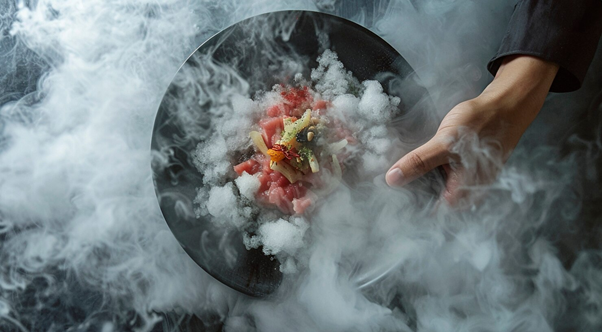
The late 1990s and early 2000s marked a pivotal turning point. Las Vegas, in particular, began to shed its image as a strictly gaming town, rebranding itself as a comprehensive resort destination. At the heart of this transformation was a revolutionary approach to dining. Casino operators realized that to attract a broader, more affluent demographic, they needed to compete with the world’s leading culinary cities. This led to an unprecedented influx of celebrity chefs, the likes of Wolfgang Puck, Emeril Lagasse, and Joël Robuchon, who brought their Michelin-starred reputations and innovative concepts to the casino floor.
This era saw the demise of many traditional buffets, or at least their significant upscale transformation, giving way to sophisticated steakhouses, authentic international cuisine, and intimate bistros. Food was no longer just fuel; it became a luxurious experience, a key component of the overall entertainment package designed to delight and impress. This investment in culinary excellence served several purposes: it diversified revenue streams, provided high-end amenities for high rollers, and elevated the entire brand image of the casino resort. Just as culinary offerings diversify to cater to various tastes and budgets, so do gaming incentives across various markets. For instance, players looking for a head start in certain regions might seek out promotions such as 50 free spins no deposit Argentina, showcasing the varied approaches casinos take to engage their audience worldwide, both through gaming perks and world-class dining.
The modern casino dining scene is characterized by a relentless pursuit of quality and innovation. Menus feature locally sourced ingredients, intricate preparation techniques, and an emphasis on presentation. The ambiance itself became crucial, with designers creating unique environments to match the culinary theme, from opulent fine dining rooms to trendy, vibrant eateries.
Key elements defining modern casino dining:
- Signature Restaurants: Collaborations with celebrity chefs creating exclusive dining concepts.
- Diverse Cuisine: An expansive range of international flavors, from Japanese omakase to authentic Italian trattorias.
- Elevated Casual Dining: Upscale bistros and gastropubs offering high-quality food in a relaxed setting.
- Artisanal Offerings: Craft cocktails, artisanal coffee shops, and gourmet patisseries.
- Experiential Focus: Dining experiences often integrated with entertainment, live music, or unique views.
This shift proved immensely successful, attracting a new generation of visitors who might not have come primarily to gamble but were drawn by the promise of an unparalleled gastronomic adventure.
Beyond the Bellagio: Regional Resurgence and Diverse Palates
While Las Vegas pioneered much of this culinary revolution, the trend has not remained confined to the Nevada desert. Across America, regional casinos, tribal gaming resorts, and emerging markets have embraced the fine dining ethos, adapting it to their local contexts and demographics. From the Gulf Coast to the Northeast, casinos are investing heavily in their food and beverage programs, recognizing that a strong culinary identity can differentiate them in a competitive market.
These regional establishments often highlight local ingredients and culinary traditions, offering guests a taste of the area’s unique flavors alongside gaming excitement. They cater to a broader range of guests, from families seeking casual but high-quality options to food enthusiasts looking for a memorable meal. This decentralization of gourmet casino dining signifies a maturation of the industry, where food is no longer a secondary thought but a fundamental pillar of the guest experience, designed to draw patrons, enhance their visit, and encourage return trips regardless of their luck at the tables. The journey from a basic buffet to a bustling bistro or a serene, Michelin-starred restaurant illustrates the industry’s profound understanding that a full-spectrum entertainment offering is the ultimate key to success.