Food choices rarely involve actual thinking. Evolution shaped our brains to chase meals that feel known, filling, and secure. Here’s the thing: for thousands of years, food meant staying alive, not simply eating. It brought a sense of comfort and protection beyond mere taste. That’s why American-style comfort food came roaring back in restaurants everywhere.
The fact is, traditional dishes and fancy new versions keep appearing on menus. And understanding this requires examining two things: the psychology driving people toward comfort food, and the deep cultural connections these meals maintain.
What Comfort Food Actually Means
Defining comfort food precisely is difficult, but recognizing it is not. These dishes feel good to eat and trigger an emotional response that goes beyond simple hunger satisfaction. American versions typically come from home kitchens and rely on accessible ingredients like meat, potatoes, cheese, and bread. Think grilled cheese sandwiches, chicken pot pie, or a bowl of chili when the weather turns cold.
Nothing about the preparation aims to be complex. The appeal lies in warmth, familiar textures, and flavors requiring no menu explanation to understand. People reach for these foods during hard days and stressful weeks, during moments when everything feels slightly off, and predictability becomes its own reward. The important part is that restaurant owners noticed this pattern and adjusted accordingly.
Where These Dishes Originally Came From
American comfort food emerged when immigrant families reworked their traditional dishes using whatever local shops carried. Meatloaf and mashed potatoes became common in the early 1900s and spread quickly through different places and social groups.
When the Great Depression struck, families got resourceful with tight food budgets. In other words, inexpensive filling dishes became survival wisdom that communities shared.
Fried chicken and biscuits emerged from Southern cooking heritage, with recipes carefully passed down through families over many years. After World War II, macaroni and cheese took off nationwide because it was incredibly affordable and virtually effortless to make.
Decades of family suppers, church potluck dinners, and roadside cafe meals made these foods inseparable from American identity. What all this means is they symbolized belonging and home comfort. All that meaning stacked up across generations is why these dishes still connect deeply.
How Chefs Started Elevating the Classics
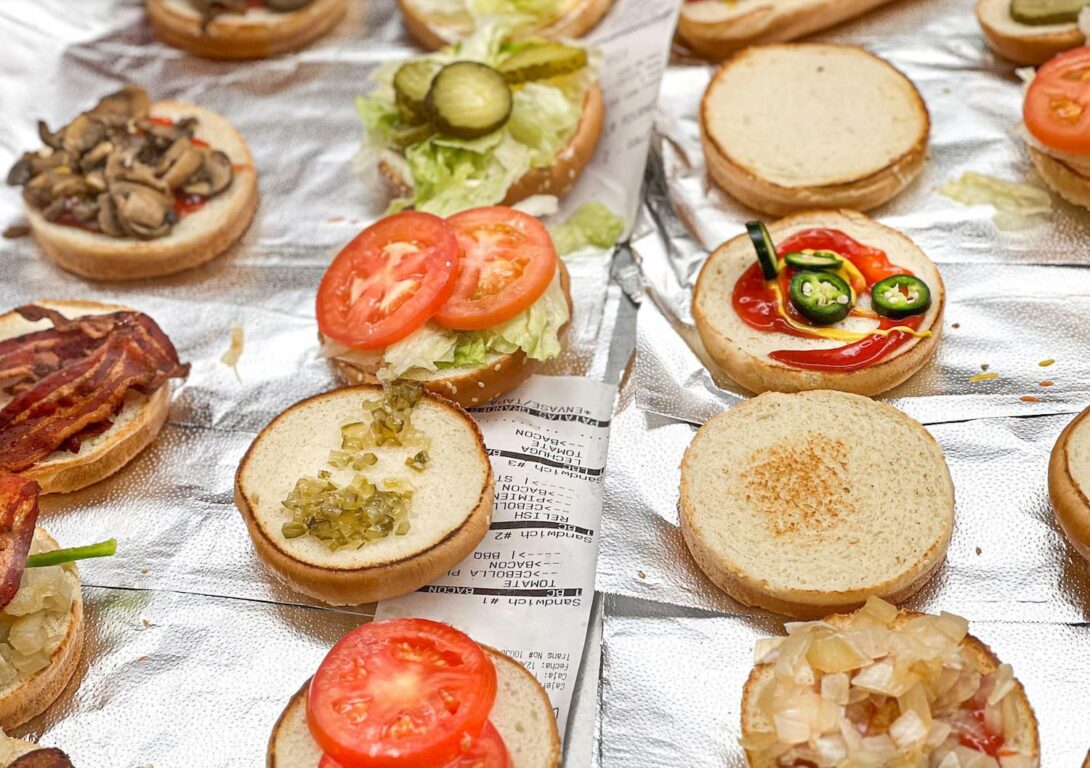
Modern chefs are reinventing comfort food. They keep the flavors we already love but upgrade the ingredients and techniques. The industry calls this elevated comfort food.
A plain hamburger becomes a smashed burger with thin patties, crispy, caramelized edges, and beef flavor that really hits. Chefs use better sourcing and make their own sauces. Macaroni and cheese might have aged gruyère or even lobster. Fried chicken comes with spicy coatings or shows up with waffles. Apple pie now comes with house-made ice cream.
Upscale restaurants plate everything with care. They use fine-dining skills with foods everyone already knows. The key is that it works because you get both familiarity and quality at once.
Why 2026 Became the Turning Point
The timing makes sense upon examination. Life feels accelerated and uncertain right now, and many people miss periods that seemed calmer, even if they weren’t. After years of health concerns and economic instability, audiences naturally gravitate toward foods that represent safety and comfort.
Industry studies confirm it. Nostalgia drives a lot of what people choose to eat. Younger customers are discovering classics through social media, while older customers reconnect with meals that bring back memories. The appeal really crosses generations, more than most food trends ever do.
Value matters equally in this context. A substantial meatloaf plate or a solid burger fills you up without breaking the bank. Chains that emphasize these items perform consistently, and on top of that, customers also appreciate healthier adaptations, like vegetable sides, reasonable portions, or preparations that preserve satisfaction without feeling excessive.
Comfort Food Crossing Every Category
American-style comfort food appears across every type of restaurant now, which marks a real change from even ten years ago. Casual places serve huge portions of pot roast and chicken-fried steak to customers who came specifically for that kind of meal. Fast food spots offer smashed burgers and properly crispy fries made with more attention than fast food traditionally received.
Even expensive restaurants put comfort dishes on their menus, sometimes adding international flavors that make things more interesting without losing the emotional heart of the food: spicy takes on fried chicken, chili with curry flavors mixed in, familiar dishes made with techniques from other cooking traditions.
Some restaurants go all in on the classics, running as diners with breakfast served all day and no pretense about what they are.